CVV credit card: everything you need to know about the secure code essential for making online purchases
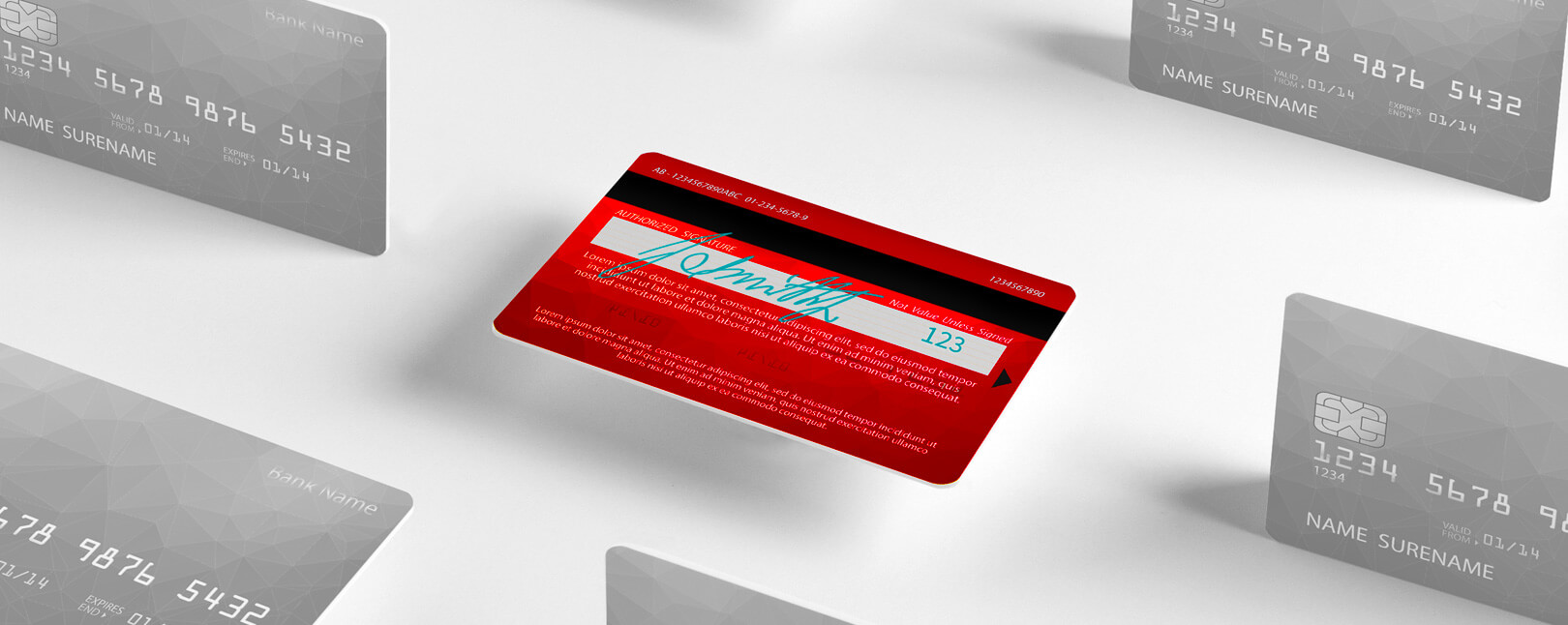
The credit card CVV code is one of the fundamental tools to guarantee security, uniqueness and confidentiality for all online card payment transactions.
How many times during
a payment at an e-commerce is it required to insert the CVV CREDIT?
Task of guaranteeing the security of the online transaction
by reducing the risk of fraud and cloning
The "Card Validation Value" or "Card
Verification Value" is a 3 or 4 digit numeric code stamped on most credit,
debit and prepaid cards. It is often placed on the back of the card, to ensure
greater protection. This code is not printed, it is imprinted: this implies
that it cannot be cloned by any digital reader. It can also be indicated with
the acronyms CVC and CID, according to the payment circuit of the card:
• CVV (Card
Validation Value), 3-digit code for Visa circuit cards;
• CVC (Card
Verification Code), 3-digit code for MasterCard circuit cards;
• CID (Card
Identification Number), 4-digit code for American Express circuit cards.
The CVV code was born in 1995 to stem the cloning phenomenon
of credit cards in physical stores. The MasterCard payment circuit has stamped
the CVV on its cards since 1997, Visa since 2001. Today needs have changed
considerably. If before cloning took place following in-store payments or ATM
withdrawals, now the most “dangerous” landscape for the movement of money is the
online and e-commerce world. In fact, for each online card transaction the
cardholder is asked to enter the CVV code. In this way, the bank can verify
that the actual credit card holder is making the payment.
Today many websites are also offering CVV code as it gets
expired after certain time. Those sites are considered to be CVV sites, be careful while you buy CVV online.
Let's find out where to find the CVV on your credit card,
when to use it and how to use it to pay securely.
The CVV code is required by most sites to authenticate
online payments. In fact, on the check-out page of any e-commerce, the user who
makes a payment by card must enter the following data:
• Card
identification number;
• Cardholder
data (Name and Surname);
• Card
expiry date (month and year);
• CVV code.
The CVV is the code that allows you to verify the actual
truthfulness of the card. In fact, by inserting it, the bank can make sure that
the card has not been cloned or stolen.
Comments
Post a Comment